

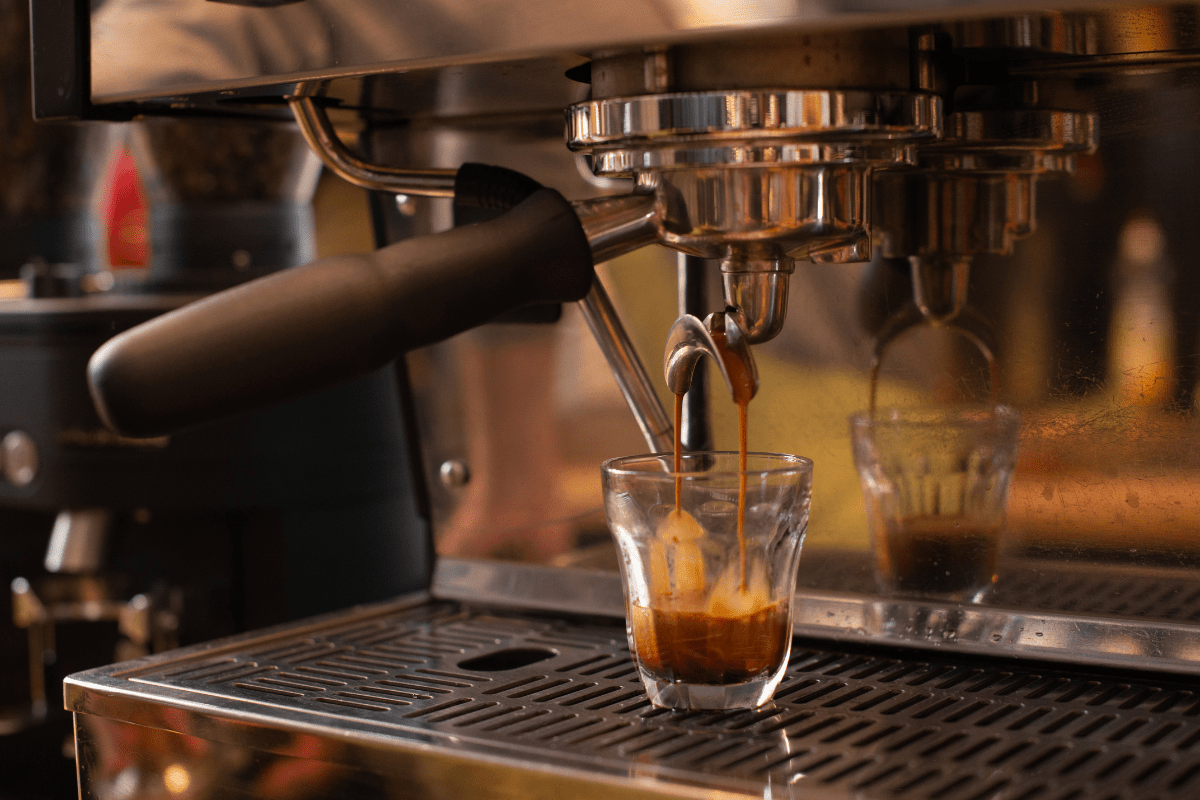
Pulling a good espresso shot isn't luck — it's a process. Once you understand the four variables that control your shot, dialing in becomes straightforward. Here's the practical guide to getting consistently great espresso at home.
You bought an espresso machine. You ground your coffee. You pulled your first shot. And it tasted — off. Too bitter, too sour, too weak, or just not what you expected.
This is normal. Espresso is not a plug-and-play brew method. Every machine, every grinder, and every bag of coffee behaves slightly differently. Dialing in is the process of adjusting your variables until your shots are consistently where you want them. Once you understand what you're adjusting and why, the process becomes logical rather than frustrating.
What Does "Dialing In" Espresso Mean?
Dialing in means adjusting your espresso variables — primarily grind size, dose, and yield — until your shots extract correctly and taste the way you want them to. It's a calibration process, and it's something every home barista does every time they open a new bag of coffee or change anything in their setup.
The goal is a shot that pulls in the right time window, produces good crema, and tastes balanced — sweet, slightly bitter, with no harsh or sour notes dominating.
The Four Variables That Control Your Shot
Every espresso shot is controlled by four variables. Change one and the others are affected. Understanding how they interact is the foundation of dialing in.
1. Grind Size
Grind size is the most powerful variable in espresso. It controls how much resistance the water meets as it flows through the puck, which directly controls extraction speed and flavor.
- Finer grind — more resistance, slower flow, longer shot time, more extraction
- Coarser grind — less resistance, faster flow, shorter shot time, less extraction
Grind size is your primary adjustment tool. When a shot tastes wrong, start here before changing anything else.
2. Dose
Dose is how much ground coffee goes in the portafilter basket, measured in grams. Most home espresso baskets are designed for 14–18g for a double shot. Check your basket's intended dose and use it as your starting point. Keep it consistent once you find it — use a scale, not a scoop.
3. Yield (Output Weight)
Yield is how much liquid espresso ends up in your cup, also measured in grams. A standard double has a yield of 36–40g from an 18g dose — a roughly 1:2 ratio. More yield means a longer, softer shot. Less yield means a shorter, more concentrated one. Weighing your yield instead of eyeballing it is one of the simplest consistency upgrades you can make.
4. Extraction Time
Extraction time is how long the shot takes to pull — from when you start the pump to when you stop it. The target range for most espresso is 25–35 seconds for a standard double shot. Shots outside this window usually mean grind size or dose needs adjusting.
A coffee scale with a built-in timer handles yield and extraction time simultaneously. Place it under your cup before you start the shot — you get both your output weight and shot time in one reading.
How to Read Your Shot
Shot tastes bitter or harsh
Over-extraction — water pulled too many flavor compounds from the coffee. Happens when the shot runs too slow (grind too fine, dose too high) or water temperature is too high. Fix: Go one step coarser on your grinder. If shot time was over 35 seconds, this is almost certainly the cause.
Shot tastes sour, weak, or watery
Under-extraction — not enough flavor was pulled from the coffee. Happens when the shot runs too fast (grind too coarse, dose too low) or water temperature is too low. Fix: Go one step finer on your grinder. If shot time was under 20 seconds, this is almost certainly the cause.
Good taste but inconsistent results
Inconsistency usually comes from tamping pressure, distribution, or grinder retention. Make sure you're tamping with even, level pressure every time. A distribution tool or WDT (Weiss Distribution Technique — stirring the grounds before tamping) helps eliminate channeling.
No crema or very light crema
Thin crema usually means one of three things: stale coffee, grind too coarse, or the machine isn't reaching proper pressure. Fresh beans roasted within the last 2–4 weeks produce the best crema.
How to Dial In Espresso: Step by Step
Use this process every time you start with a new bag of coffee or change anything in your setup.
Set a starting dose
Use the recommended dose for your basket — typically 18g for a standard double. Weigh it every time using a scale.
Set a starting grind
Start at a medium-fine setting and pull a shot. Don't taste it yet — just time it.
Check extraction time
Did it pull in 25–35 seconds? If yes, taste it. Under 25 seconds — go finer. Over 35 seconds — go coarser. Make one grind adjustment at a time.
Taste the shot
Once your time is in range, taste the result. Bitter — go slightly coarser. Sour — go slightly finer. You're looking for balance: sweet, slightly bitter, with good body.
Check your yield
A 1:2 ratio (18g in, 36g out) is standard. Adjust yield slightly to change strength — less for more intensity, more for a softer shot.
Lock it in
Once you've found the grind setting that produces a good shot at the right time, note it. That's your starting point for this bag of coffee.
Repeat with the next bag
Even the same coffee from the same roaster will change slightly bag to bag. A quick dial-in takes 2–3 shots maximum once you know the process.
If you adjust grind size and dose simultaneously, you won't know which change caused the improvement. One adjustment per shot — always.
Tamping: The Most Misunderstood Step
Tamping compresses the coffee grounds in the portafilter into a flat, even puck before brewing. A level, consistent tamp is important — uneven tamping creates channels where water takes the path of least resistance, leading to uneven extraction.
The target tamping pressure is approximately 30 lbs of downward force — firm but not extreme. More important than the exact pressure is that you tamp level every time. A crooked tamp creates more problems than a slightly lighter or heavier one.
Calibrated tampers that click or stop at a set pressure remove the guesswork entirely and are worth the modest investment for anyone serious about consistency.
Water Quality and Temperature
Espresso is approximately 90% water. The ideal water temperature for extraction is 195–205°F (90–96°C). Most machines are factory-set near this range. If your machine has a PID temperature controller, start at 93°C (200°F) and adjust slightly up for darker roasts or down for lighter ones.
If your tap water is very hard or heavily chlorinated, filtered or bottled water will produce noticeably cleaner espresso and extend your machine's lifespan.
When to Stop Adjusting
A common mistake for new home baristas is over-adjusting — chasing perfection shot by shot without letting any variable stabilize. The rule: make one change, pull two shots, evaluate. The first shot after a grind adjustment often behaves differently as the grinder purges the old setting. The second shot is more representative.
When your shots are pulling in 25–35 seconds, yielding your target weight, and tasting balanced — you're dialed in. Stop adjusting and start enjoying.
The Right Equipment Makes Dialing In Easier
Consistent espresso at home starts with equipment that performs consistently. A machine with stable temperature, a grinder with reliable adjustment, and a scale that measures to 0.1g remove the variables that are hardest to control manually.
Shop Espresso Machines →Shop Grinders →
Shop Coffee Scales →
Frequently Asked Questions
How long should it take to dial in espresso?
With a new bag of coffee, most home baristas dial in within 3–5 shots. With the same coffee you've used before, it's often 1–2 shots. The process gets faster as you develop a feel for your setup. If you're spending more than 8–10 shots dialing in, focus on one variable at a time — grind size first.
Why does my espresso taste different every day?
Espresso is sensitive to small changes in grind size, dose, humidity, and bean freshness. If your shots are inconsistent day to day, check that you're grinding fresh, dosing by weight (not volume), and tamping consistently. Temperature fluctuations in your machine can also cause variation — allow it to warm up fully before pulling shots.
What is the ideal espresso extraction time?
The standard target for a double espresso is 25–35 seconds from the moment the pump starts to when you stop it. This range produces balanced extraction for most coffees and machines. Very light roasts sometimes extract well at slightly longer times; dark roasts often extract well at the shorter end.
What is the best espresso ratio for beginners?
A 1:2 ratio is the standard starting point — 18g of ground coffee in, 36g of liquid espresso out. This produces a balanced double shot with good body and flavor. Adjust yield slightly from there: shorter (1:1.5) for more intensity, longer (1:2.5) for a softer shot.
Why is my espresso channeling?
Channeling happens when water finds weak points in the coffee puck and flows through them rather than evenly across the whole puck. Common causes are uneven distribution of grounds before tamping, a crooked tamp, or a grind that's too coarse. Using a distribution tool before tamping significantly reduces channeling.
Do I need a scale to make good espresso at home?
You don't need one to start, but a coffee scale makes a significant difference in consistency. Measuring your dose and yield in grams removes two of the most common sources of shot-to-shot variation. Purpose-built espresso scales with built-in timers make the process even more efficient.
Shop Espresso Machines
Share:
The Beginner's Guide to Pour-Over Coffee (Everything You Need to Know)